
StockX - Sneakers and Apparel
StockXShopping
4.317.34K Reviews
- Version
- 4.88.0
- Installs
- 10.00M
- Age Rating
- Everyone
Screenshots
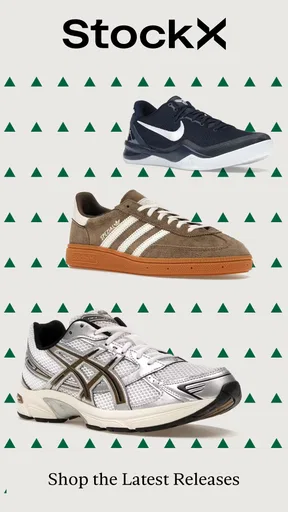
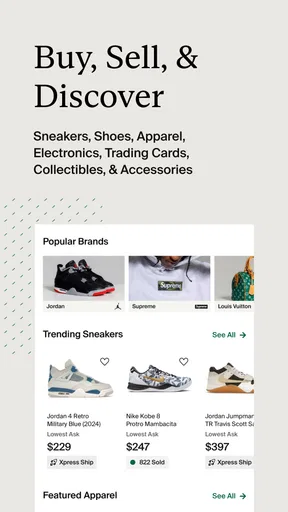
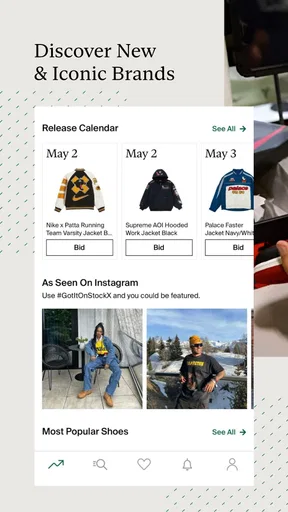
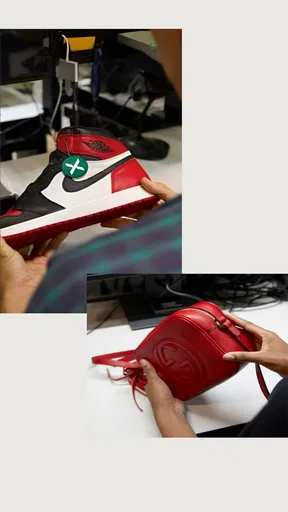
Our Review of StockX - Sneakers and Apparel
 Analysis by Appyee
I downloaded StockX to see whether it feels useful as an everyday shopping app rather than just a place to browse hype sneakers. My overall impression is that it works best as a focused marketplace for people who already know what they want, especially when the item is difficult to find through ordinary retail channels. It also covers apparel and luxury items, so it is broader than a sneaker-only catalog, but the experience still feels centered on discovery, comparison, and buying collectible fashion.
The app is free to install, which makes trying it low-risk. That does not mean every purchase is inexpensive: the free part is access to the marketplace, while the cost of an item depends on the listing and the transaction details shown before buying. That distinction matters here. I would not treat StockX as a bargain-shopping app by default. I see it more as a tool for locating specific products and judging whether the current asking price is acceptable to me.
How StockX fits into real shopping decisions
I use StockX most thoughtfully when I treat it as one step in a buying decision, rather than the decision itself: first I identify the exact item, then compare the available options with what I can find through ordinary retail. That approach helps me judge whether access is worth any extra cost and keeps an eye-catching listing from setting my budget for me. The next section looks at how that role fits into day-to-day shopping.
A marketplace for hard-to-find fashion
StockX, developed by StockX, is a shopping app for sneakers, apparel, and luxury products. The useful difference from a typical brand store is the breadth of items that can appear in one place. Instead of visiting several individual retailers and hoping a particular color or size is available, I can use the app to investigate a product that has already attracted demand or become difficult to locate.
That makes it particularly practical for a very specific kind of shopper: someone who has a model, release, or item in mind and wants to understand the current market before committing. If I am simply looking for comfortable everyday shoes at the lowest possible price, a normal retailer may be quicker and easier. If I want one particular pair that is no longer sitting on a standard shelf, StockX becomes more relevant.
The app is also useful earlier in the process, before I am ready to buy. I can browse products, compare available choices, and get a sense of whether a desired item is realistically within my budget. I like this research role because it discourages impulsive searching across random websites. At the same time, browsing a marketplace built around sought-after products can make expensive items feel more attainable than they really are, so I recommend deciding on a personal spending limit first.
What the free app actually gives you
The application itself costs nothing to download, and its content rating is Everyone. That makes it accessible to a wide audience, although the financial decisions involved in shopping still call for adult judgment. The free access is valuable because I can inspect the catalog and consider a purchase without paying an entry fee or subscribing just to look around.
Its scale also gives the app a sense of usefulness beyond a small boutique catalog. StockX has more than ten million installs, an average rating of 4.3 from roughly eighty-six thousand ratings, and about seventeen thousand written reviews. Those figures suggest that it is established enough to be a serious option, while the rating also reminds me not to expect a flawless experience for every buyer or every product.
The current version I tested is 4.88.0, and the app requires at least OS 10. That is worth checking before downloading, particularly if you use an older phone. The release history goes back to April 13, 2016, so this is not a new experiment; it has had time to become a recognizable destination for this type of shopping.
A practical browsing routine
My preferred way to use StockX is to begin with a clear target instead of opening it with the vague intention of finding something interesting. I search for the exact product, check the available size or variant carefully, and then pause before moving toward checkout. This simple routine helps separate genuine interest from the excitement of seeing a scarce item.
For sneakers, sizing deserves special attention. A marketplace purchase is a poor place to guess if I have never worn the model before. I would first confirm the brand’s usual fit through a pair I already own, then compare that knowledge with the product details shown in the app. The trade-off is that a hard-to-find item may be available in my size while an ordinary retailer has only less suitable options, but convenience does not remove the risk of choosing incorrectly.
For apparel and luxury items, I take the same cautious approach but focus more on exact product identity, color, condition information, and variant details. A photograph or familiar name is not enough when small differences can affect how useful the purchase is. The app can help me find the item, but I still have to do the work of deciding whether that particular version matches what I intended to buy.
Where it differs from ordinary retail apps
Traditional retail apps are usually strongest when I want a straightforward purchase from a store that is selling its own inventory. They often make returns, size exchanges, and routine customer service feel more familiar. StockX is more compelling when the ordinary route has failed: the product may be unavailable, the release may have passed, or I may want to compare a sought-after item with other options in the same category.
That advantage comes with a different mindset. I am not merely choosing between products that a retailer has selected for its shelves; I am participating in a marketplace where demand can influence what is available and what feels reasonable to pay. This can be helpful for discovery, but it can also turn shopping into a chase. If I value predictable pricing and a simple return path above access to specific products, the usual retailer may be the better choice.
Small habits that improve the experience
One useful habit is to treat the first screen of results as a starting point, not a recommendation. I compare several relevant products before deciding that one is the right purchase. This is especially important when two sneakers look similar but differ in colorway, release, or intended use. The extra minute can prevent buying a product that is technically close to what I wanted but not actually the same.
Another is to separate the product decision from the urgency decision. I ask myself whether I want the item itself or whether I am reacting to the possibility of missing it. StockX is most valuable when it helps me locate something I have already considered, not when it encourages me to rationalize an unplanned expense.
I also recommend reviewing the complete amount shown at the final stage before confirming anything. The free app should not be confused with a free purchase, and the visible product price is not the only part of a shopping decision. I would check the full checkout presentation, delivery information, and any applicable charges displayed there. This is a basic step, but it is particularly important in a marketplace where the initial listing can be the most eye-catching number.
What may feel frustrating
The biggest limitation is that StockX is not automatically the cheapest route. Its value depends on the item. For a common sneaker or a widely available piece of clothing, I may find a simpler or less expensive option elsewhere. The app earns its place when access, variety, or a specific product matters more than finding the lowest ordinary retail price.
I also find that the marketplace format can add mental friction. I have to pay closer attention to the exact product and the total purchase terms than I would during a basic store checkout. That is not necessarily a flaw, but it means the app rewards careful shoppers rather than people who want to tap quickly and move on.
There is also a psychological trade-off. Seeing a desired item available can create pressure to act, especially when I have been searching for it elsewhere. I would avoid using the app as casual entertainment if I am trying to reduce discretionary spending. The browsing experience is useful, but it can make a product feel urgent even when waiting would be the more sensible financial decision.
Who gets the most value
I would recommend StockX to sneaker fans who are comfortable researching a specific model and checking the purchase details carefully. It is also a strong fit for shoppers interested in apparel or luxury items that may not be easy to locate through a single mainstream retailer. The app is most useful when the product search is the difficult part and I am willing to evaluate the price rather than assume it is automatically good.
It can also suit someone who wants a single place to monitor fashion interests across several categories. Instead of keeping separate shopping apps for sneakers, clothing, and selected luxury products, I can use one marketplace for discovery. The benefit is convenience; the cost is that the catalog may encourage me to compare items I had not planned to consider.
I would be more cautious recommending it to a first-time sneaker buyer who has no idea what size or style works for them. A local store or a conventional retailer may offer a more forgiving way to try products, compare fits, or handle an unsuitable choice. I would also point budget-focused shoppers toward ordinary sales channels first, especially when the desired item is currently easy to find elsewhere.
My purchase decision after using it
In an everyday scenario, imagine that I need a particular pair of sneakers for a trip next month. I would use StockX to locate the exact version, confirm that the available size is the one I actually need, and inspect the full cost before deciding. If the total still fits my planned budget and the item is unavailable through normal retail, the app provides a practical route. If the price feels inflated compared with what I am comfortable paying, I would close it and keep searching rather than treating availability as a reason to overspend.
For a casual shopper looking for general inspiration, I think the value is less clear. The app can expose me to interesting shoes, clothing, and luxury products, but discovery alone does not justify a purchase. A retailer with clear promotions may deliver more direct value when my priorities are affordability, predictable stock, or easy exchanges.
My final view is positive but selective. StockX is a free shopping app with a focused purpose, a large user base, and a useful role in finding specific fashion items. I appreciate it most as a research and access tool, not as a promise of low prices. Use it when the product is difficult to find and you are prepared to judge the complete cost calmly. Skip it when you only need an inexpensive everyday purchase, when you are unsure about sizing, or when a conventional retailer already offers the item on simpler terms.
For me, that makes StockX worth keeping on my phone, provided I use it deliberately. It can shorten the search for the right sneaker or fashion piece, but the best results come from patient comparison, a fixed budget, and careful attention at checkout. The app delivers real value when access matters; it is much less convincing when price and simplicity are the only goals.
Verdict
Strengths of StockX - Sneakers and Apparel
- Wide selection of sneakers, streetwear, and collectible items
- Product authentication helps reduce the risk of counterfeit purchases
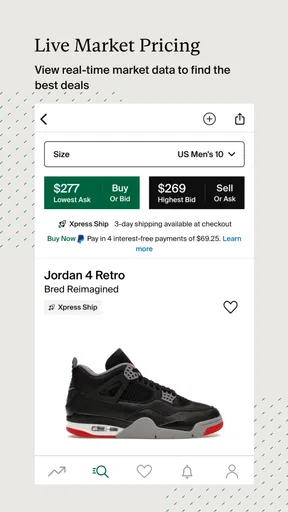
- Detailed market data supports smarter buying and selling decisions
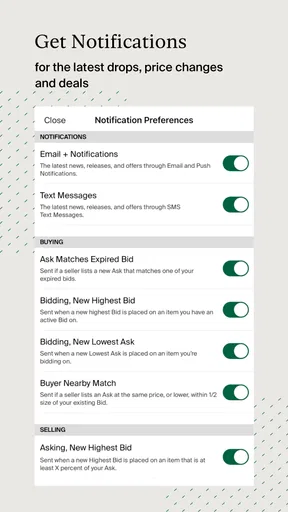
- Push notifications alert you to price changes and new releases
- Available on both Android and iOS with a clean interface
Limitations of StockX - Sneakers and Apparel
- Buyer fees can make the final price much higher than the listing
- Shipping times may vary depending on authentication and seller location
- Returns are limited compared with standard retail shopping
- Popular items can sell out or become expensive very quickly
- Condition grading may differ from what some buyers expect
Similar Picks in This Category
View All
SHEIN-Shopping Online
Roadget Business PTE. LTD.4.8

Amazon Shopping
Amazon Mobile LLC4.4


Mercado Libre: Compras online
Mercado Libre4.8

Wish: Shop and Save
Wish US Holdings LLC4.7

Alibaba.com - B2B marketplace
Alibaba Mobile4.4
Frequently Asked Questions
What is StockX, and how does buying on the app work?
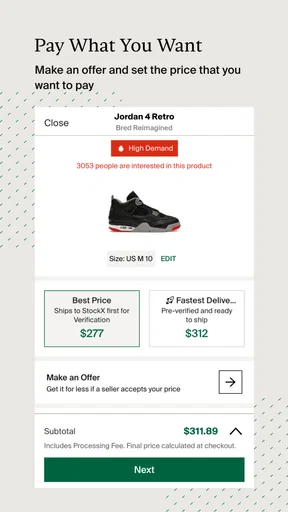
StockX is an online marketplace for sneakers, streetwear, electronics, collectibles, and other popular products. Buyers can place a Bid, which is an offer to purchase at a chosen price, or select the lowest available Ask for an immediate purchase. After a sale, the item is usually sent to StockX for verification before it is shipped to the buyer, adding an important layer of trust to the transaction.
Are all sneakers and products on StockX guaranteed to be authentic?
StockX uses a multi-step verification process intended to identify counterfeit, damaged, or incorrectly described products before they reach the buyer. Items are inspected by StockX verification specialists, although no authentication system should be considered completely infallible. Products generally need to be new and include the expected packaging or accessories, depending on the category and listing requirements. Always review the product details before ordering.
How much does shipping cost on StockX, and are there additional fees?
The final price on StockX can include more than the displayed item price. Buyers may be charged a processing fee, shipping, and potentially taxes, duties, or other regional charges depending on their location and the product. Shipping costs and delivery estimates can vary by country, category, and seller. The app normally shows the total payable amount during checkout, so check it carefully before confirming a purchase.
Can I return or cancel an order placed through StockX?
StockX purchases are generally treated as final because the platform connects buyers and sellers through a marketplace system. In many cases, buyers cannot return an item simply because they changed their mind, selected the wrong size, or no longer want it. Cancellations may also be limited once a transaction is matched. If an item arrives damaged, incorrect, or appears not to meet StockX standards, contact customer support promptly and keep all packaging and evidence.
Is StockX safe to use, and what should new users know before selling?
StockX provides useful safeguards such as seller requirements, transaction tracking, payment processing, and product verification, making it more structured than many direct peer-to-peer marketplaces. However, users should still protect their account, review fees, and understand the platform rules. Sellers must ship the correct item in the required condition and within the stated time, or they may face penalties. Read the listing, payout, shipping, and dispute policies before making your first sale.
